Winter is a "dangerous period" for weight gain. Because of the cold weather, people spend less time outdoors; at the same time, their appetite may increase, especially the intake of rich and fatty foods compared to summer. Moreover, Chinese people have a tradition of nourishing themselves in winter, which can easily undo all our weight loss efforts, with the abdomen and arms being particularly vulnerable.
Secondly, exercising in winter is more effective for weight loss. Lower temperatures in winter cause faster heat dissipation after activity. The same exercise, with the same intensity, burns more energy in winter than in other seasons, thus achieving the desired weight loss results.
Thirdly, consistent exercise in winter is also very beneficial for our skin. Skin tends to be drier in winter, and due to less sweating and slower metabolism, toxins are not easily eliminated. Exercise promotes sweating, accelerates metabolism, and helps eliminate toxins. Skin becomes more elastic and vibrant. It seems there are quite a few benefits to exercising in winter. However, it's worth noting that due to the cold weather, it's essential to warm up thoroughly before exercising to avoid injury.
Five Major Benefits of Exercising in Winter:
1. Relieves Fatigue: Exercise promotes blood circulation, increases oxygen levels in the body, and activates the brain, improving work efficiency. Staying in bed all day can actually hinder thinking and concentration, making it difficult to focus on tasks.
2. Improves Athletic Performance: The cold winter weather necessitates increased activity to warm the body and adapt to the feeling, significantly boosting athletic performance.
3. Prevents Osteoporosis: Taking advantage of the limited sunshine in winter to exercise outdoors and get sufficient Vitamin D promotes the absorption of calcium and phosphorus, strengthening bones and muscles and effectively preventing osteoporosis.
2. Boosts Immunity: Exercise promotes metabolism, increases blood circulation, warms the extremities, and strengthens the immune system, improving cold resistance. People who consistently exercise in winter have 8-10 times greater cold resistance than the average person. 5. Easier to burn fat: In winter, the body needs more heat to maintain its temperature in order to keep warm. Therefore, when exercising in winter, the body will consume 3%-7% more calories for the same amount of exercise.
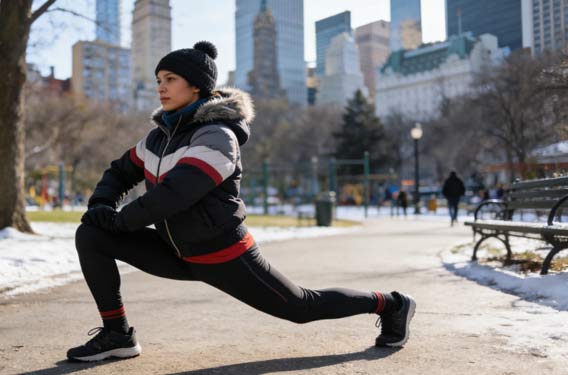
Five Principles for Winter Exercise
Because of the lower temperatures in winter, the flexibility of soft tissues such as muscles, tendons, and ligaments decreases, and joints become relatively stiff. If you exercise without warming up, you are prone to sudden muscle and tendon strains, ligament sprains, and other injuries. People with cardiovascular disease or the elderly are also more susceptible to increased blood pressure due to muscle tension in low temperatures, potentially leading to myocardial infarction or stroke. It is recommended that the elderly engage in indoor exercise during winter, especially moderate-intensity, gentle exercises, to avoid injury caused by exposure to low temperatures.
1. Keep warm and warm up adequately: Before exercising, be sure to keep warm. During exercise, we need to warm up for about 5-10 minutes longer than usual to raise muscle temperature and allow them to adapt before training different muscle groups for better results.
2. Adjust exercise intensity: Muscle elasticity is poor in cold weather. It is best to gradually increase the intensity and amount of exercise. If you are not used to exercising, suddenly engaging in intense exercise may cause discomfort. For safety, start with low to moderate intensity exercises in winter and gradually increase the intensity according to your condition.
3. Remember to stay hydrated: Staying hydrated before, during, and after exercise is crucial for improving athletic performance, especially in winter when the air is drier. Exercise increases breathing, leading to faster water loss. Strenuous exercise can even cause dehydration, so don't wait until you feel thirsty to drink water. We recommend drinking about 200cc of water every 15 minutes during cold weather.
4. Emphasize post-exercise stretching: During exercise, all muscles are under high tension. Without stretching and cooling down, muscles will remain tense, potentially causing chronic inflammation and increasing the risk of injury. Therefore, don't neglect post-exercise stretching.
5. Replenish sufficient energy: When the weather is cold, the body needs to consume more heat to maintain body temperature. Therefore, more energy is needed to maintain bodily functions during exercise. It is recommended to consume easily digestible carbohydrates with small volume and weight one hour before exercise, such as bananas or steamed buns. You can also choose high-fiber, low-glycemic index carbohydrates, such as sweet potatoes or guavas, to help stabilize blood sugar and maintain physical strength.


